
One Battle After Another: Freedom Is No Fear
What DiCaprio, Del Toro, and a code phrase taught me about crisis, comedy, and coaching.

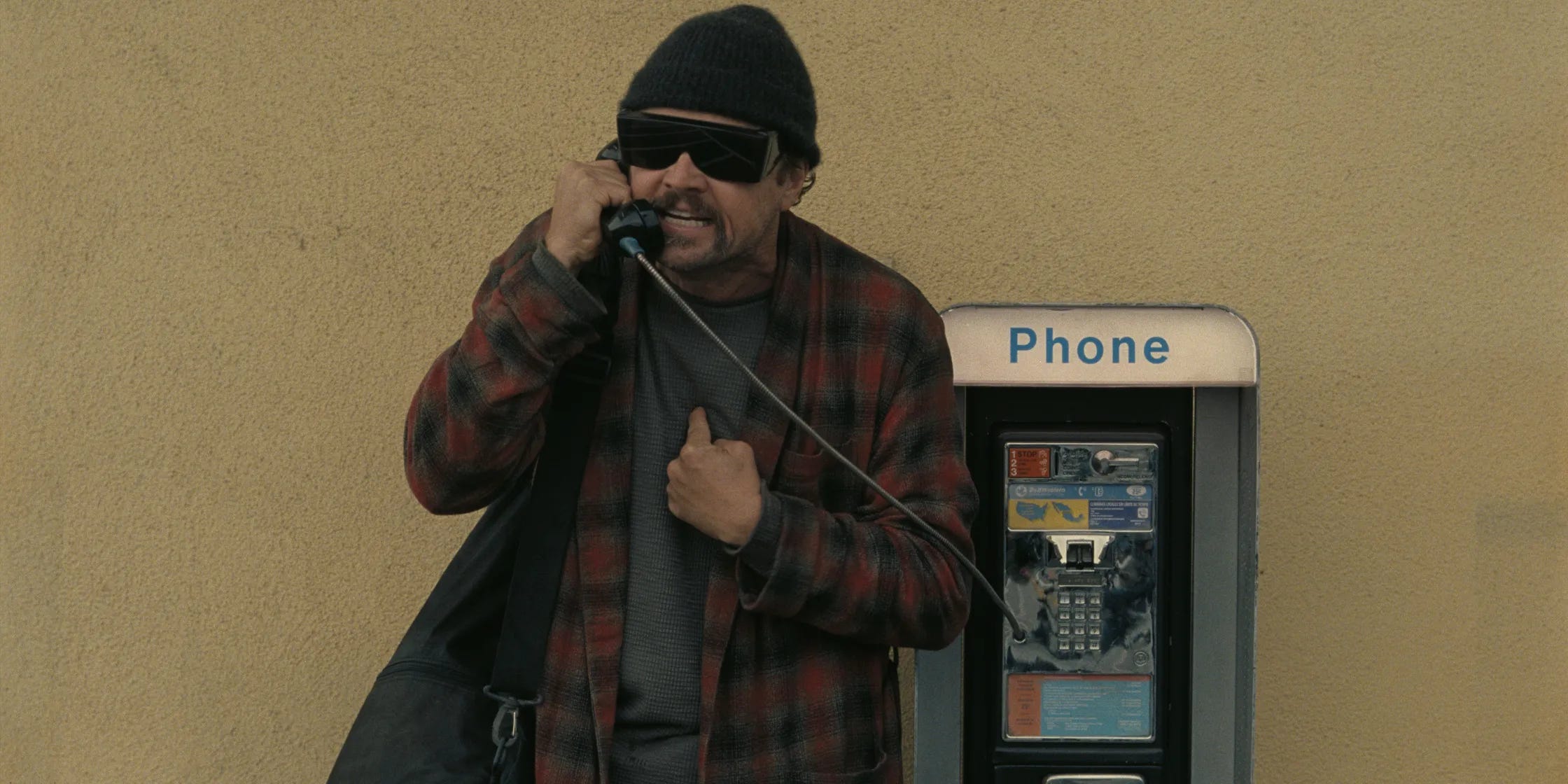
This past weekend I watched Paul Thomas Anderson’s One Battle After Another. Hands down, it’s the best film I’ve seen this year.
The cast alone was stacked — Leonardo DiCaprio as Bob Ferguson, Benicio Del Toro as the Karate Sensei, Sean Penn as Col. Lockjaw, and Teyana Taylor in a role that was sharp, magnetic, and hilarious. Each of them brought a special sauce to the screen that reminded me why I love movies in the first place.
What I loved most was that I didn’t know where the story was taking me. So often I fall into the bitter-critic mindset — “they don’t make them like they used to.” But this film proved me wrong. There is still greatness to be experienced. There is still art that surprises you into wonder.
And it was funny. Laugh-out-loud funny. Watching Leo, too stoned to answer the question “What time is it?” — the very code that could save his kidnapped daughter’s life — had me doubled over. The way Sean Penn chewed through his Col. Lockjaw scenes tickled so many parts of me. It was exhilarating to watch actors at the top of their craft playing off one another with such ease.
Bob vs. The Sensei
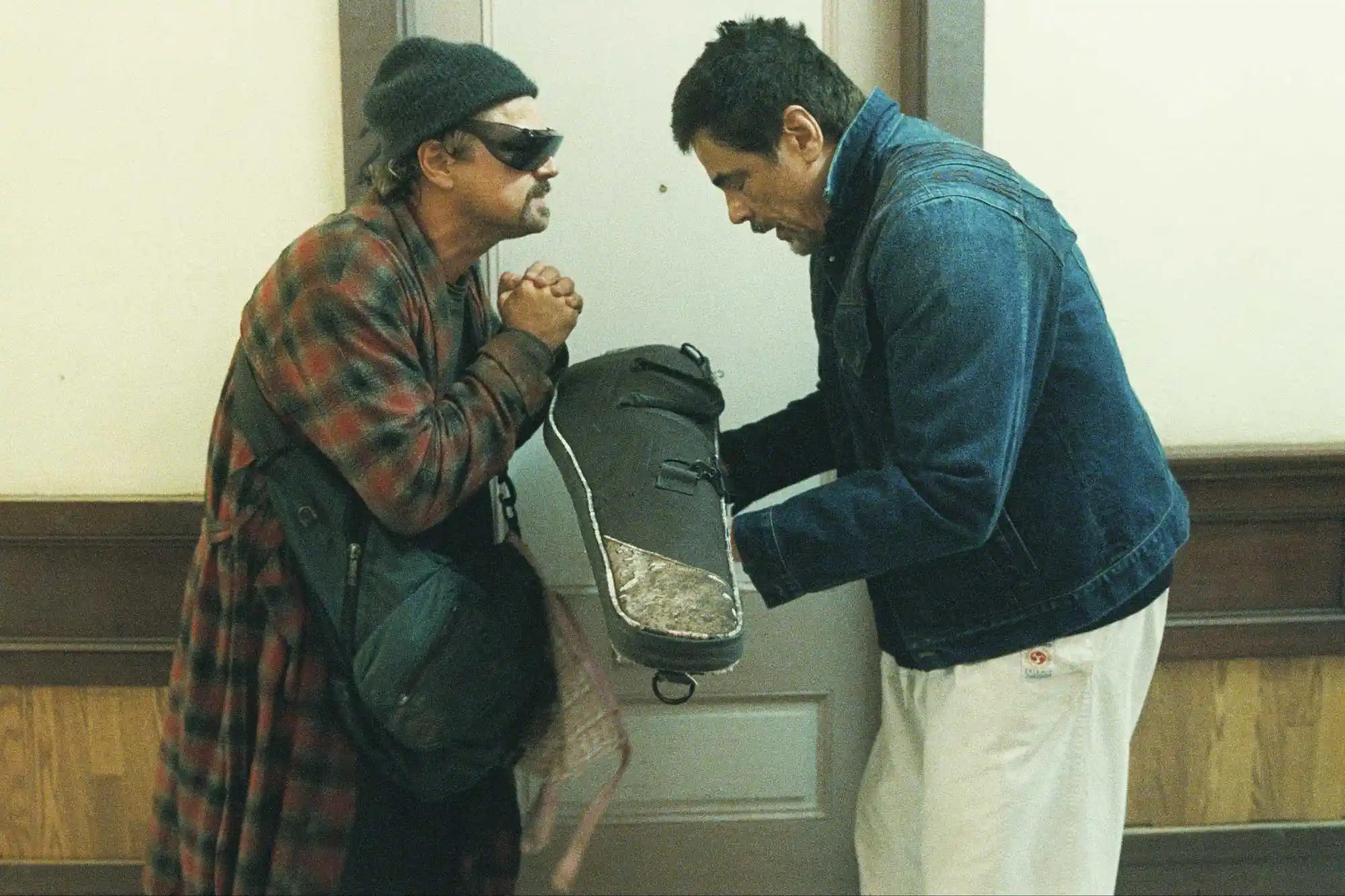
Still, the heart of the film for me was in the contrast between Bob and the Sensei.
Bob — once a revolutionary hero, now fumbling through life — brute-forced his way forward, holding his breath, weighed down, always a few steps behind.
The Sensei, by contrast, moved through the same chaos with serenity. Calm. Collected. Always a step ahead. He repeated phrases like “ocean waves” and “freedom is no fear.” Even with cops closing in, he remained unshaken — at one point shoving Bob out of a moving car with the line, “Be like Tom Cruise.”
It was hilarious. It was poignant. And it was existential.
The Existential Split
Here were two men caught in the same storm.
One believes survival requires effort, tension, proving his worth.
The other shows us survival can be grace, breath, trust.
This split isn’t just cinematic — it’s human.
What I See in My Clients
In my coaching practice, I see both archetypes every week.
The “Bob” energy: holding their breath, piling on responsibility, convinced freedom will come after the achievement, the money, the approval.
The “Sensei” energy: choosing to loosen, to return to breath, to act without fear — and from that state, discovering they already are free.
The work isn’t about becoming someone else. It’s about noticing: which energy am I bringing into this moment?
I left the theater exhilarated — not just by great cinema, but by a reminder.
When the world closes in, when the crisis feels too much: am I Bob, fighting for each inch, trying to earn my place? Or am I the Sensei, breathing through it, moving as if freedom is already here?
It’s a choice. And like the best films, it leaves me wondering: how do I want to play my role?